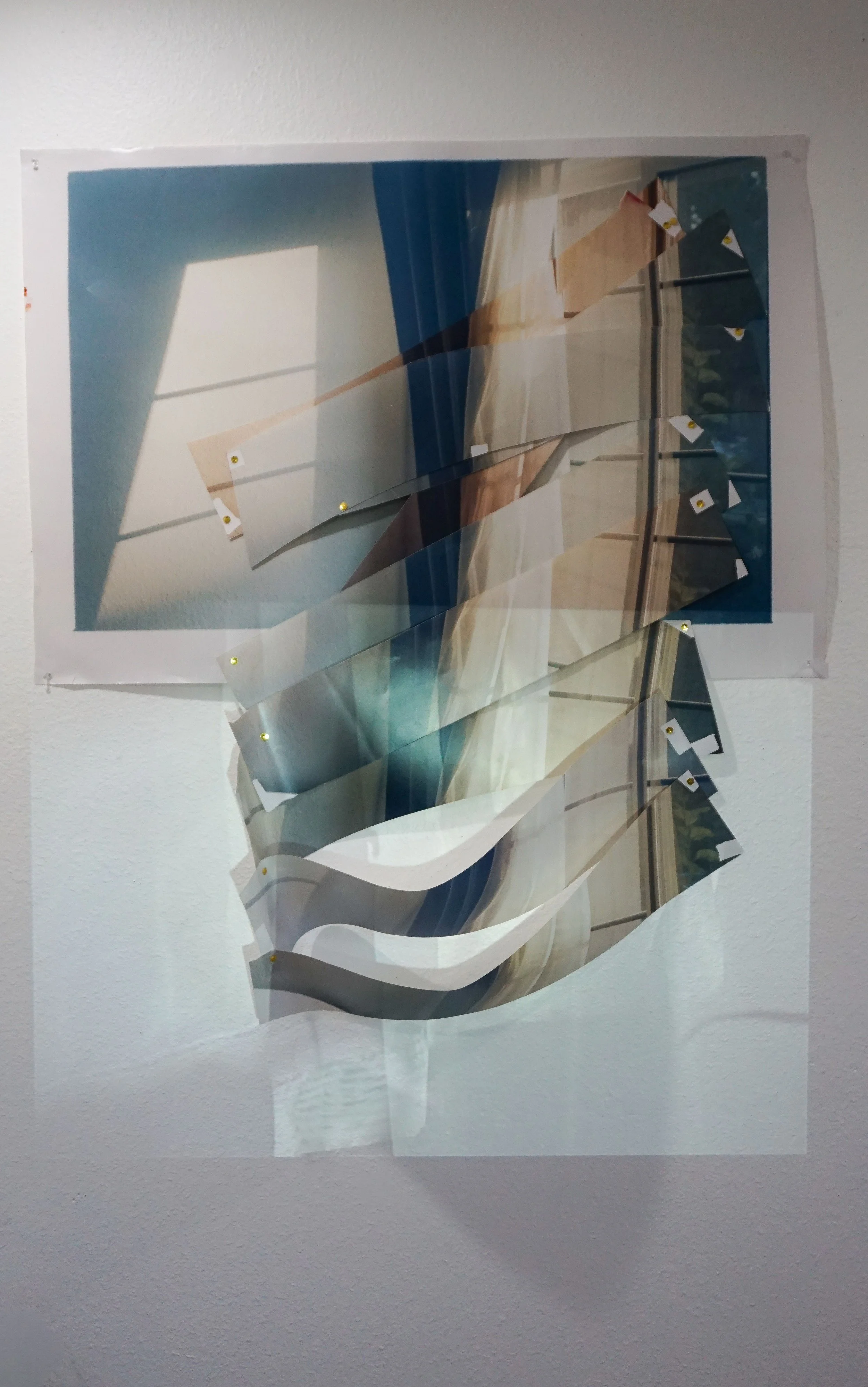
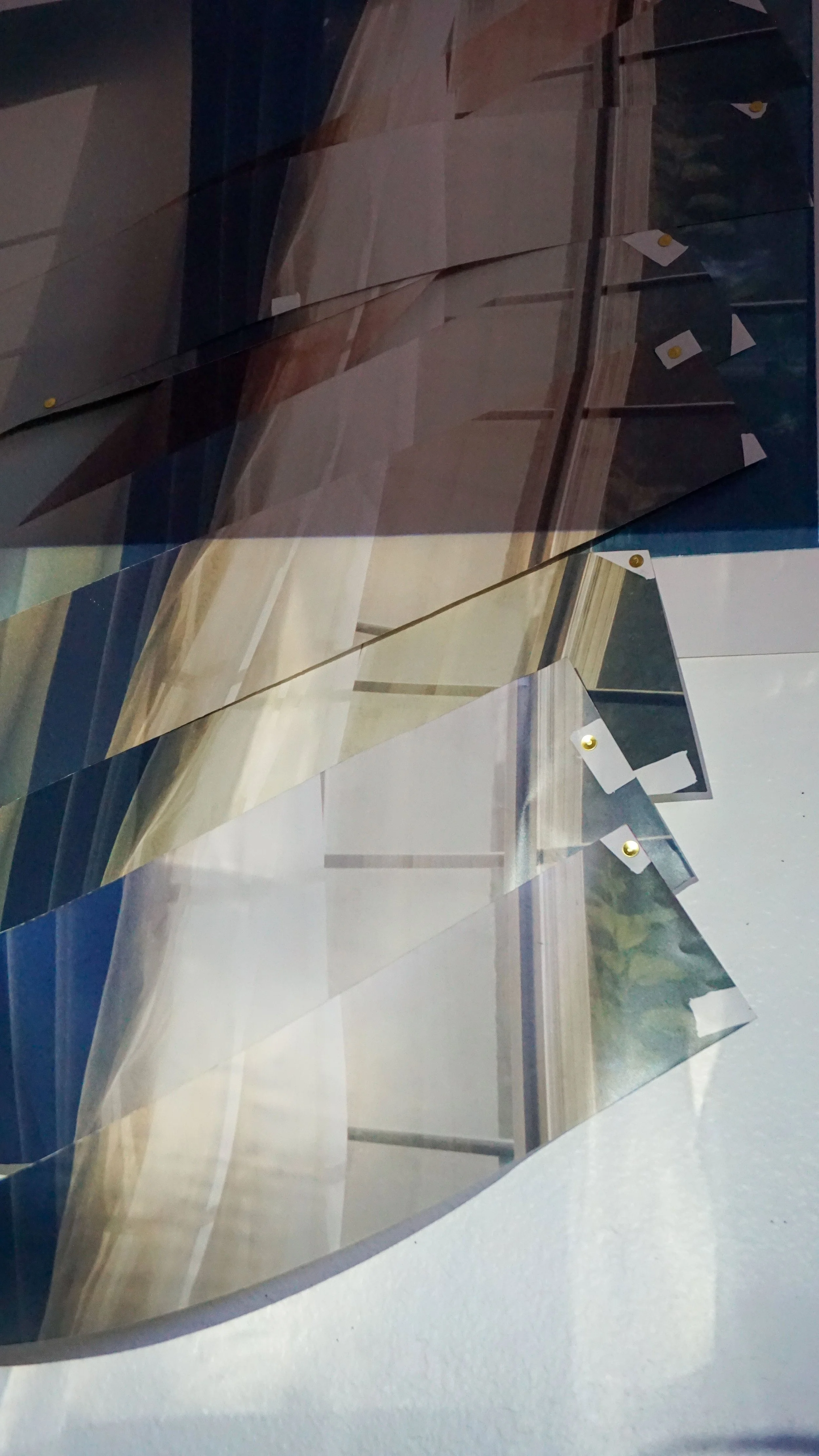
in congruence
2025-2026
in congruence sprung out of the loss of system. I had just finished my undergraduate thesis show better luck next time - by which I mean it was exhibited on the gallery walls for that one bleak week in April of 2025 before being taken down for permanent storage. A year’s worth of work, publicly consumed in a week and acknowledged as a tangible existence, became a memory without any significant notice; traces of it can now be found on our university project archive website and in the subsequent diploma I received. My exit from the institutional system was marked by loss.
Better luck next time, I guess.
Existing in a world far surpassing Walter Benjamin’s The Work of Art in the Age of Mechanical Reproduction, I found myself with nothing left to reproduce, to recycle into the kitsch/market aesthetic. better luck next time exhibited ordinary moments as irreproducible systems of change - their autonomy stemming from their objective existence juxtaposed against our mistakenly subjective approach to the arbitrary idea of progress. Focus assigns a certain enhanced quality to visual fields , leaving the value of ordinary affects to be lowered, or altogether discarded. It is within this overlooked space that better luck next time came to fruition. The ravenous search for an unattainable “next time” is diametrically opposed to the infinite potentiality of the organic fundamentals of living - people, places, and things that are quick to be termed as “ordinary”.
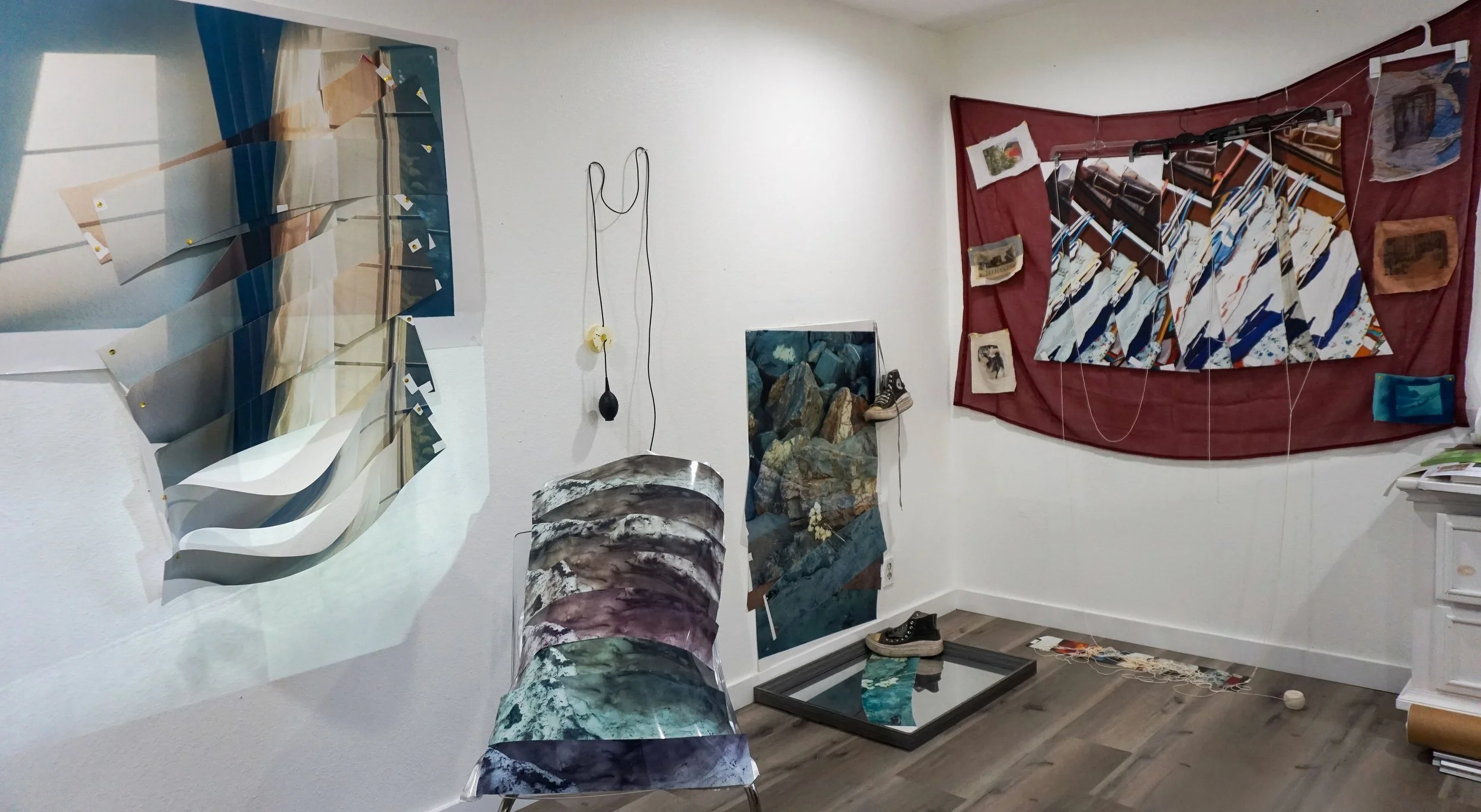
Acknowledging cyclicality subconsciously emerged as a tacit, self-reflexive exercise and foregrounded a new chapter in my artistic practice: to immerse myself in my own death drive without surrendering to it . Photographing patterns in my social landscape became a way to embed passing moments turned lingering memories within the people, places, and things that have always surrounded me. Memory retention, ingrained within spaces and objects, is now a personal system of mechanical reproduction. My studio, as both the main production site and material of the presented works, brings together photographs, collages, and domestic objects that hold different forms of emotional and historical residue. Through their repetitive accumulation and displacement, these fragments reflect the way memory is continually reconstructed, where ordinary objects and familiar spaces can become inseparable from the experiences we attach to them. Working towards a queering of reproduction - recycling these fragments for the construction of something inherently absent - visualizes configurations of memory quietly accumulating not only within photographs or individual ephemera, but also within spaces.
The artist’s studio is the material emergence of in congruence and its subsequent development into an ever-changing, fluid body of work. Through meaningful absence, new forms appear and, in congruence, memories are repurposed to create new attachments. Existing within that absence equates to existing within potentiality. We must preserve that absence from the constant demolition inherent in mechanical reproduction through the constant action of being. My studio began to hold these emerging sites of potentiality, all the while mapping their temporal and spatial convergence. in congruence composes anachronistic fragments of my personal (primarily photographic) archive to physicalize newly developed emotional attachments. The studio embodies a domestic space that I treat not as a definitive “project”, but as a collaboration of all my past works - successful or not - and my identities throughout those life cycles. The artist’s studio is contextualized as experimental: it exists within the dichotomy of the not-real somehow holding within itself a physical form, while its transformative (private) process is meant to remain hidden labor until it culminates in the gallery space (public). Throughout all this, the studio gains corporeality precisely because of the layers of labor my own body has put into its upkeep, evolving into a parallel version of myself. The fragmentary people, places, and things brought into my studio have undergone a multitude of changes throughout the years. in congruence is a culmination of these experiences merging into a body of work that exists at the intersection of my own memories and the boundless construction of meaning permeating through the ordinary.
So what shifts when the last word is an image? The photograph itself does not contain an ending - it is the circumstances surrounding its use that turn the image into an ending after the fact. in congruence sat in that empty space of limitless attachments, where its overflowing affects bled into the realm of the visible, shifting focus and attention through the attainment of physicality. The last photograph I took of the “amorous subject” became a final image only after the fact—the final image that did not signify an ending until it did. The photograph’s ambiguity is not a limitation but its capacity. It can hold infinite endings and understandings depending on how and when it is encountered. As Barthes writes in A Lover’s Discourse, “I can be understood by everyone, but I can be heard only by subjects who have exactly and right now the same language I have.” Within photography, there is no fixed language, and therefore no fixed ending. The image remains in a dialectical suspension between what has happened and what can still be made of it. In this sense, the photograph is always unfulfilled - it gains meaning precisely through its capacity for continuation. Objects, images, and spaces become significant through the attachments we build around them; their meaning is not inherent, but accumulated. in congruence exists within that accumulation, where documentation does not preserve an ending so much as create the conditions for another beginning. My thesis show was an ending only because the institution declared it one. The photograph of the amorous subject became an ending only because circumstance declared it one. The studio, meanwhile, refuses that kind of definitive ending.
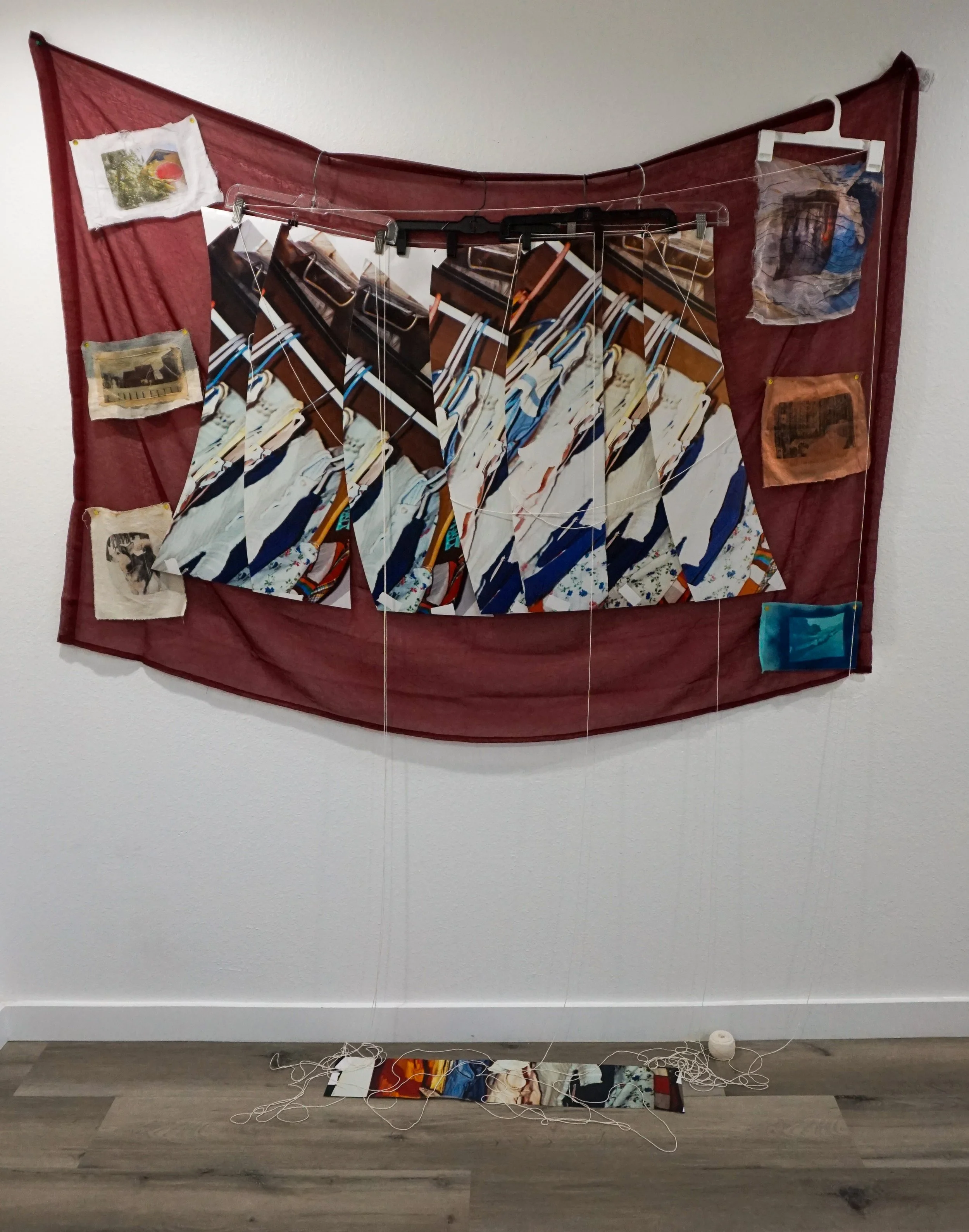
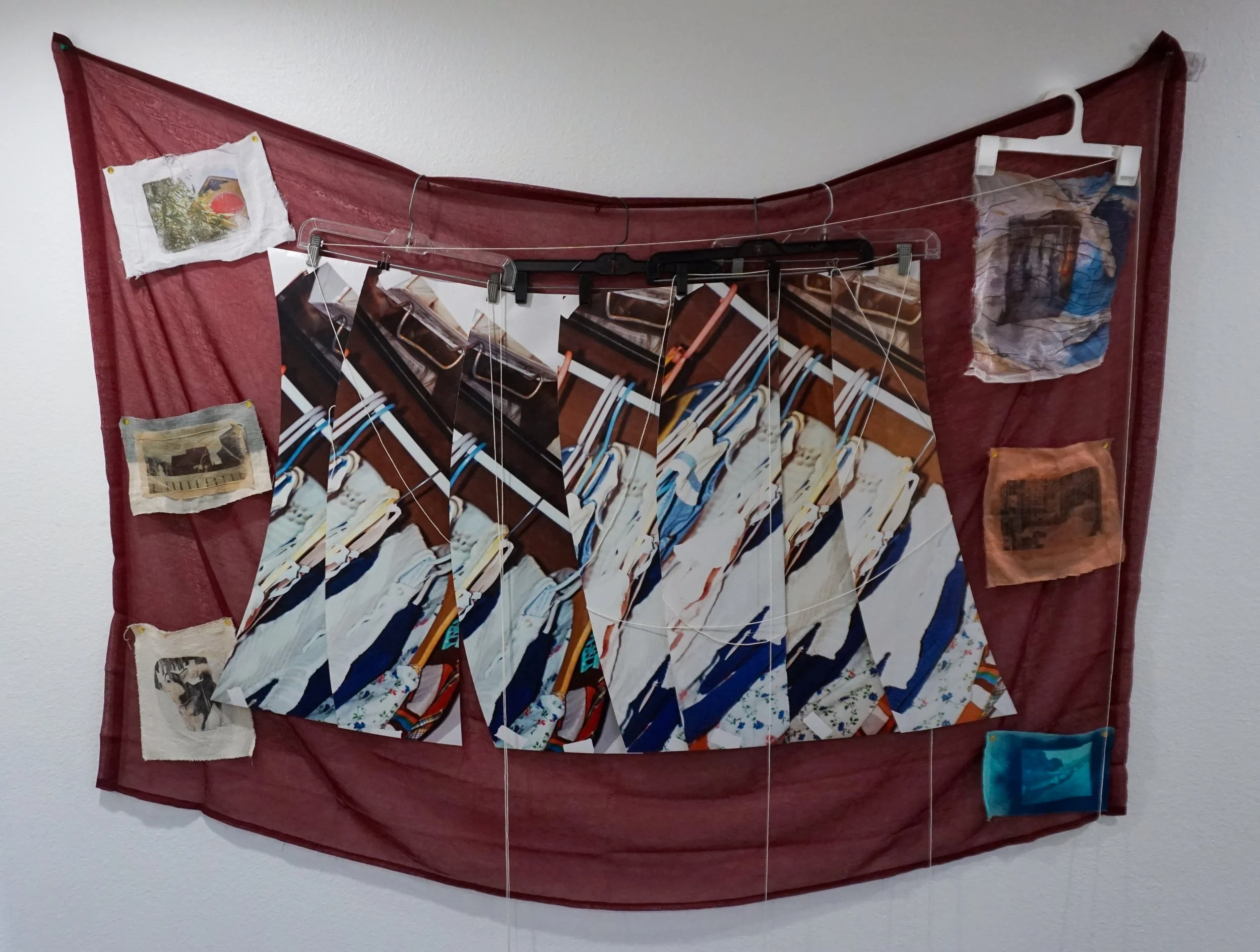
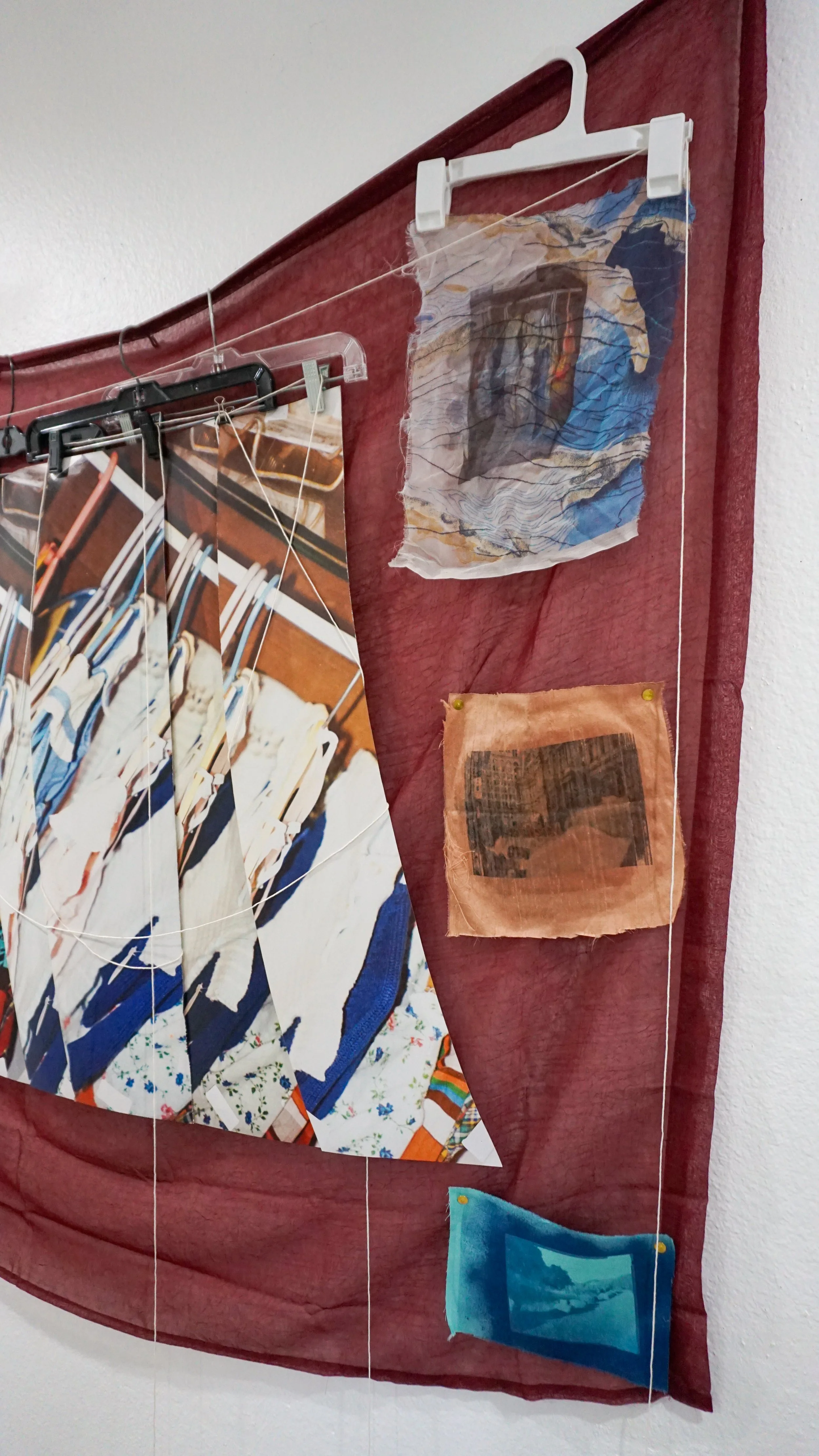
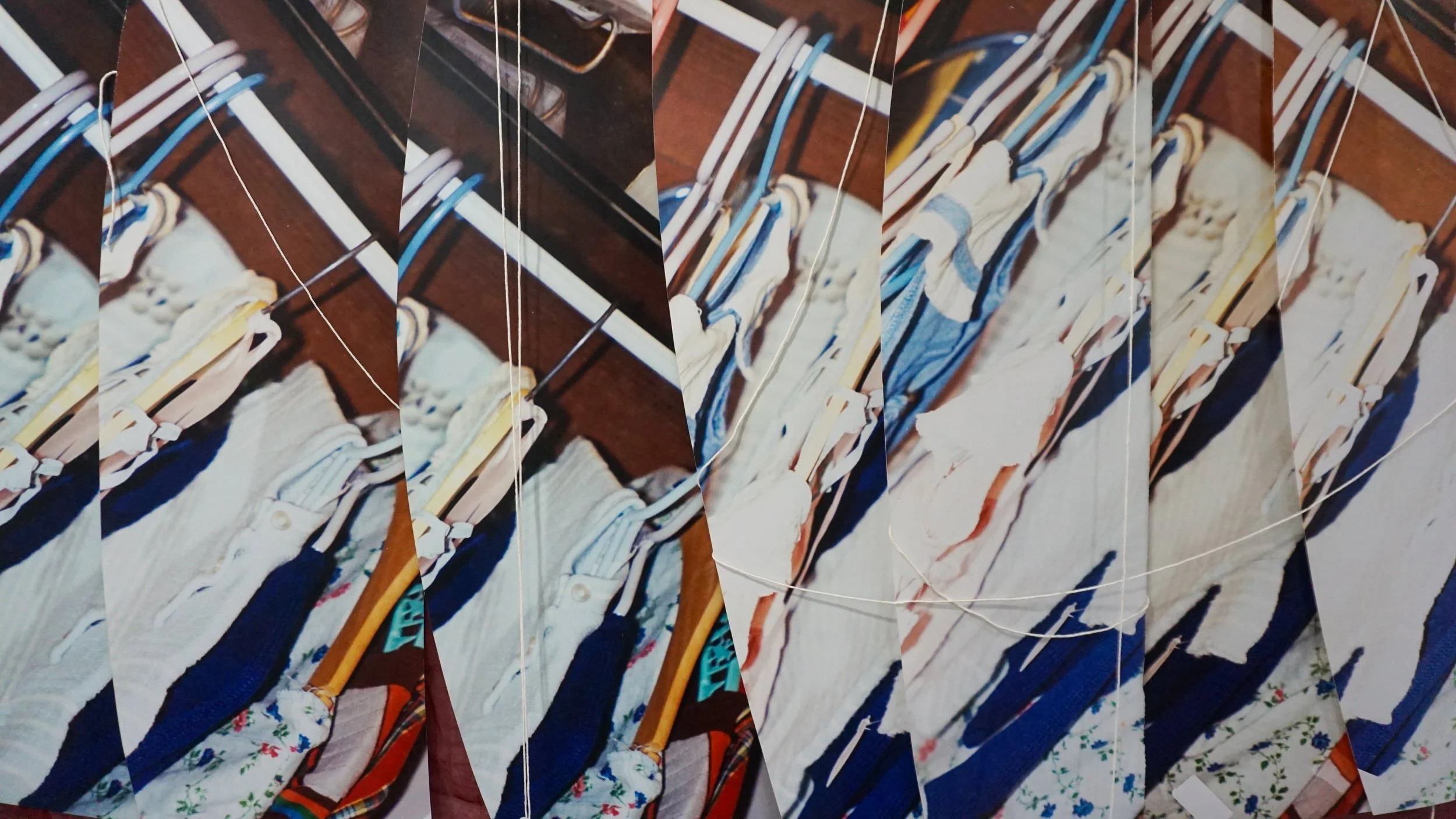
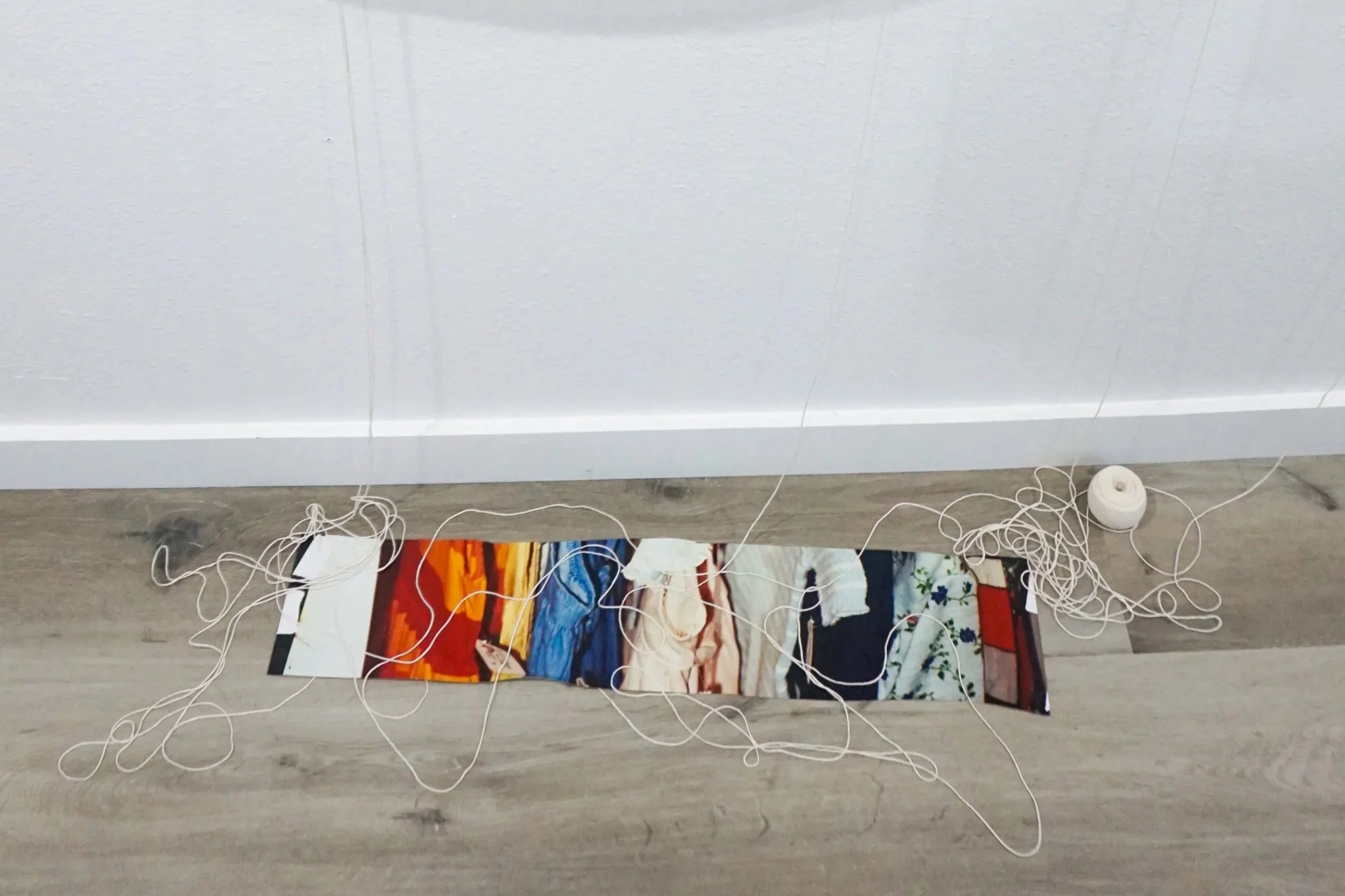
lost causes
chromogenic test prints, cyanotypes, found objects
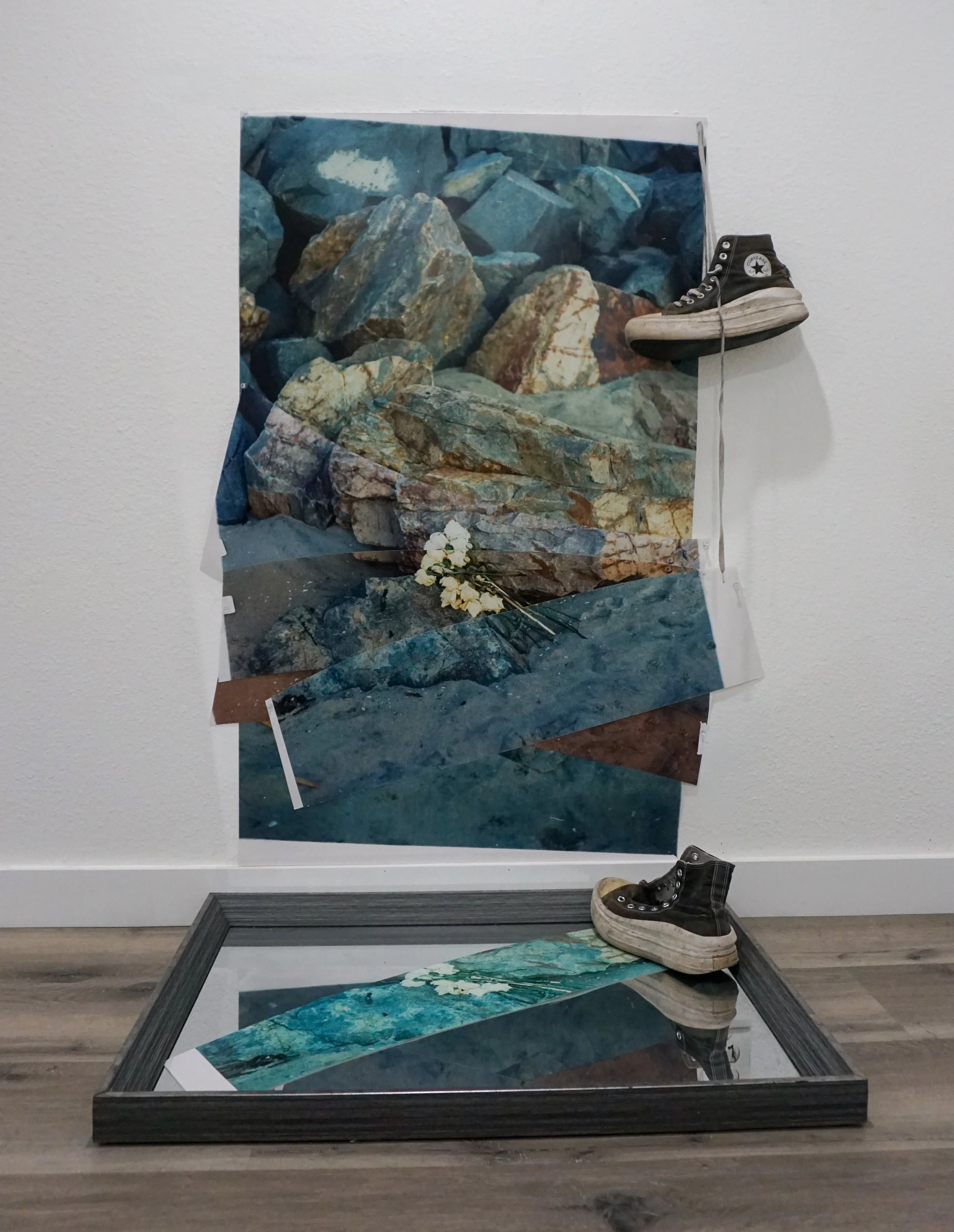
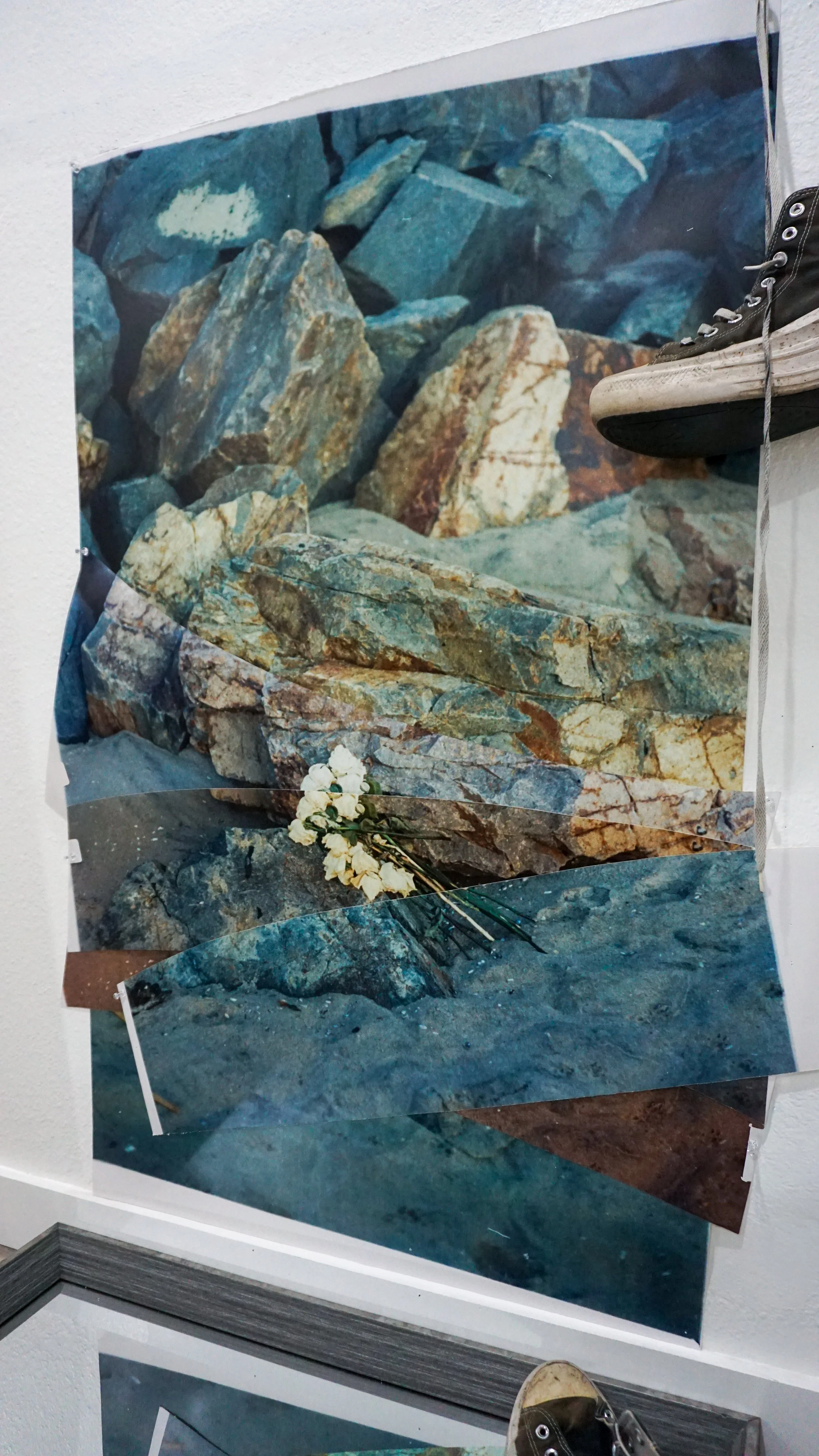
adolescence
chromogenic mural print (30 × 40 inches), chromogenic test strips, found objects
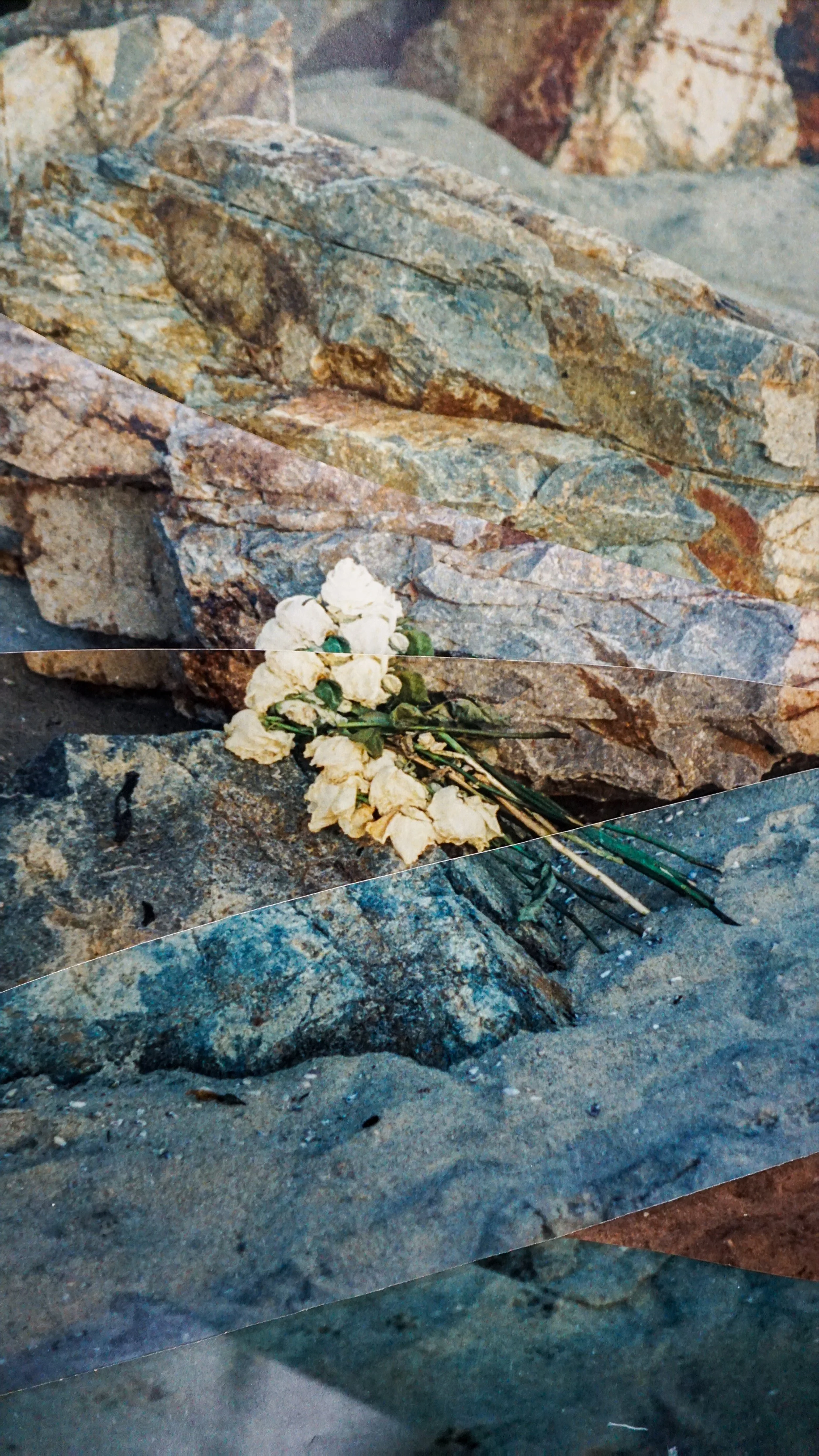
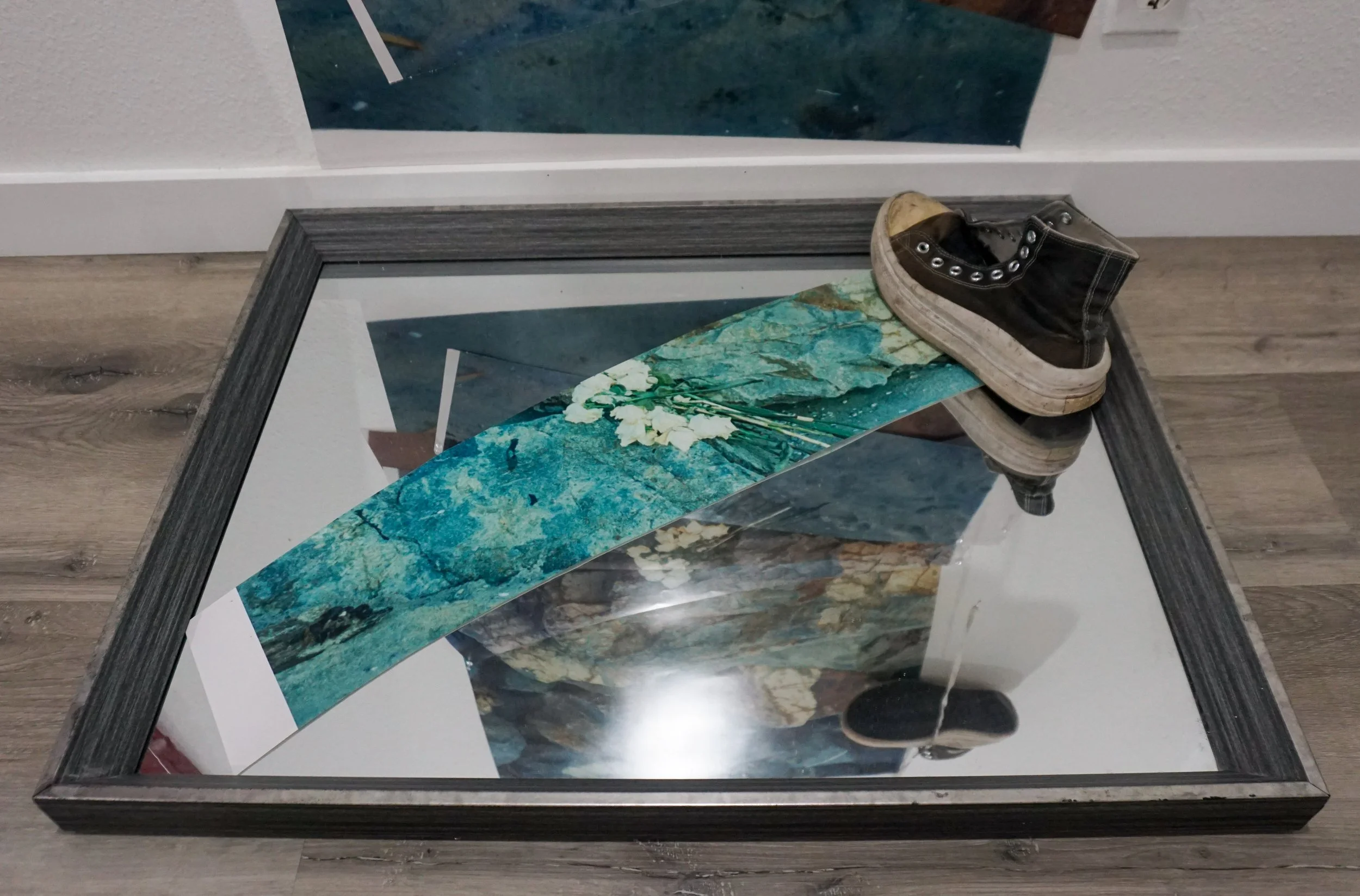
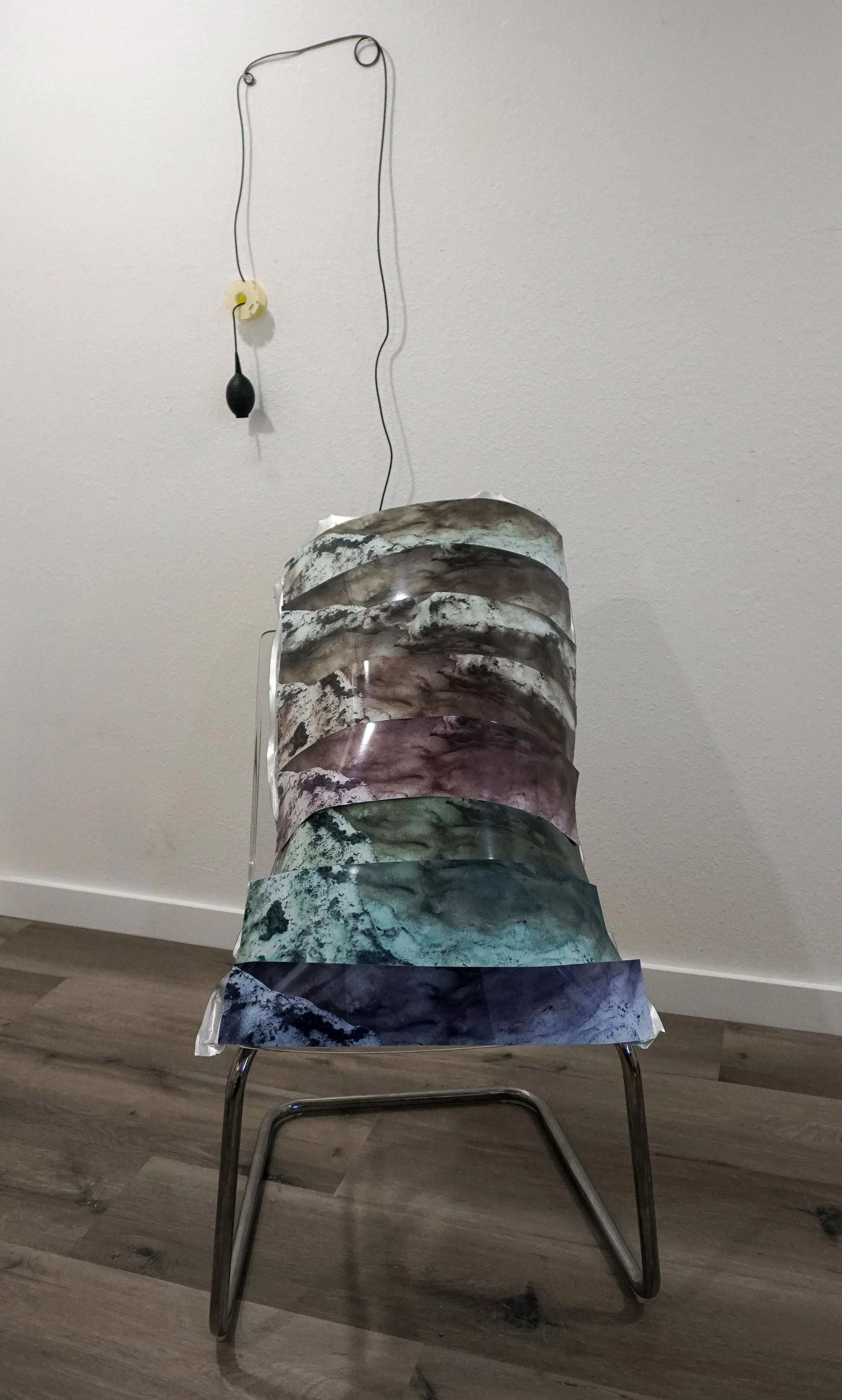
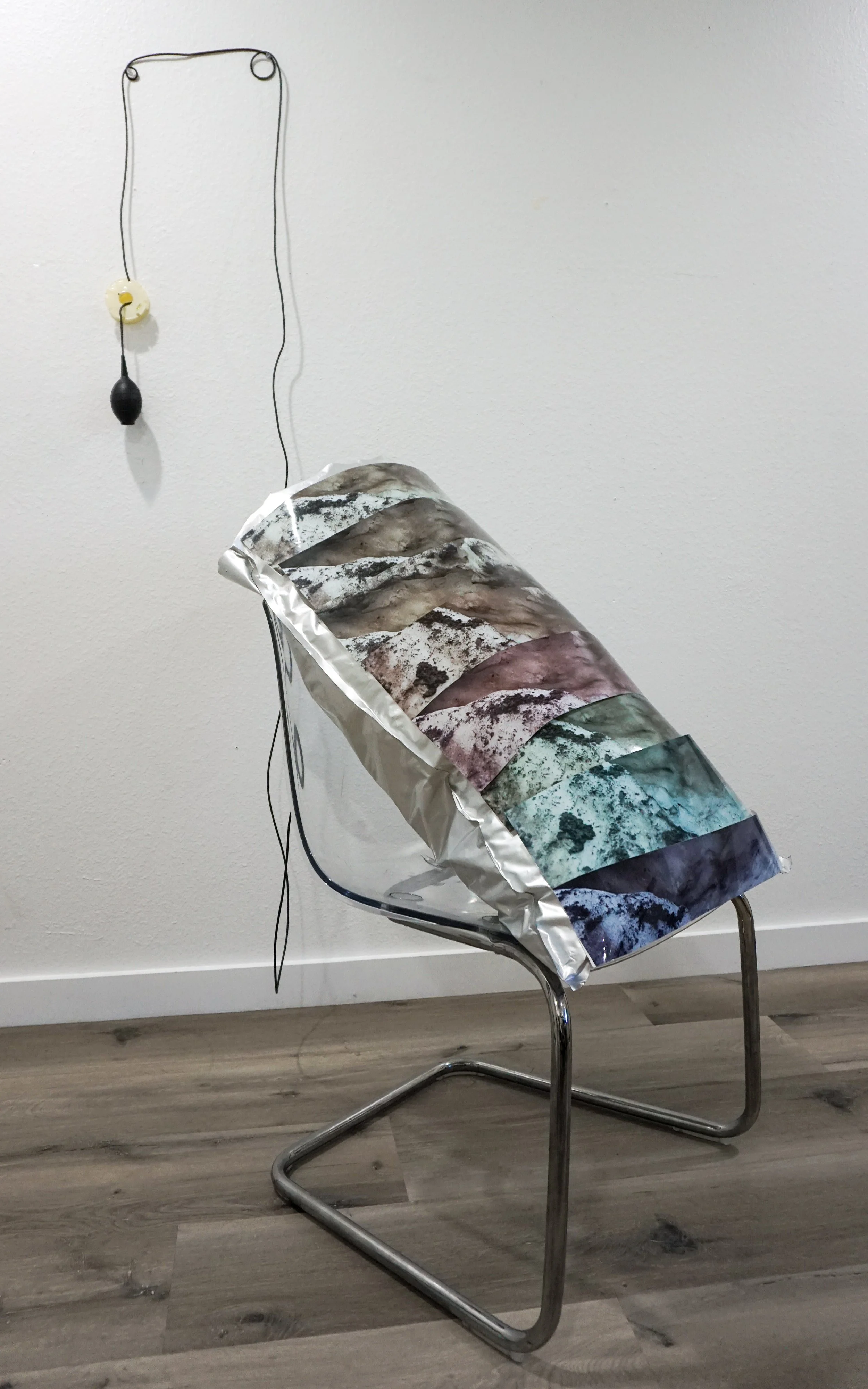
reformations
chromogenic test prints, found objects
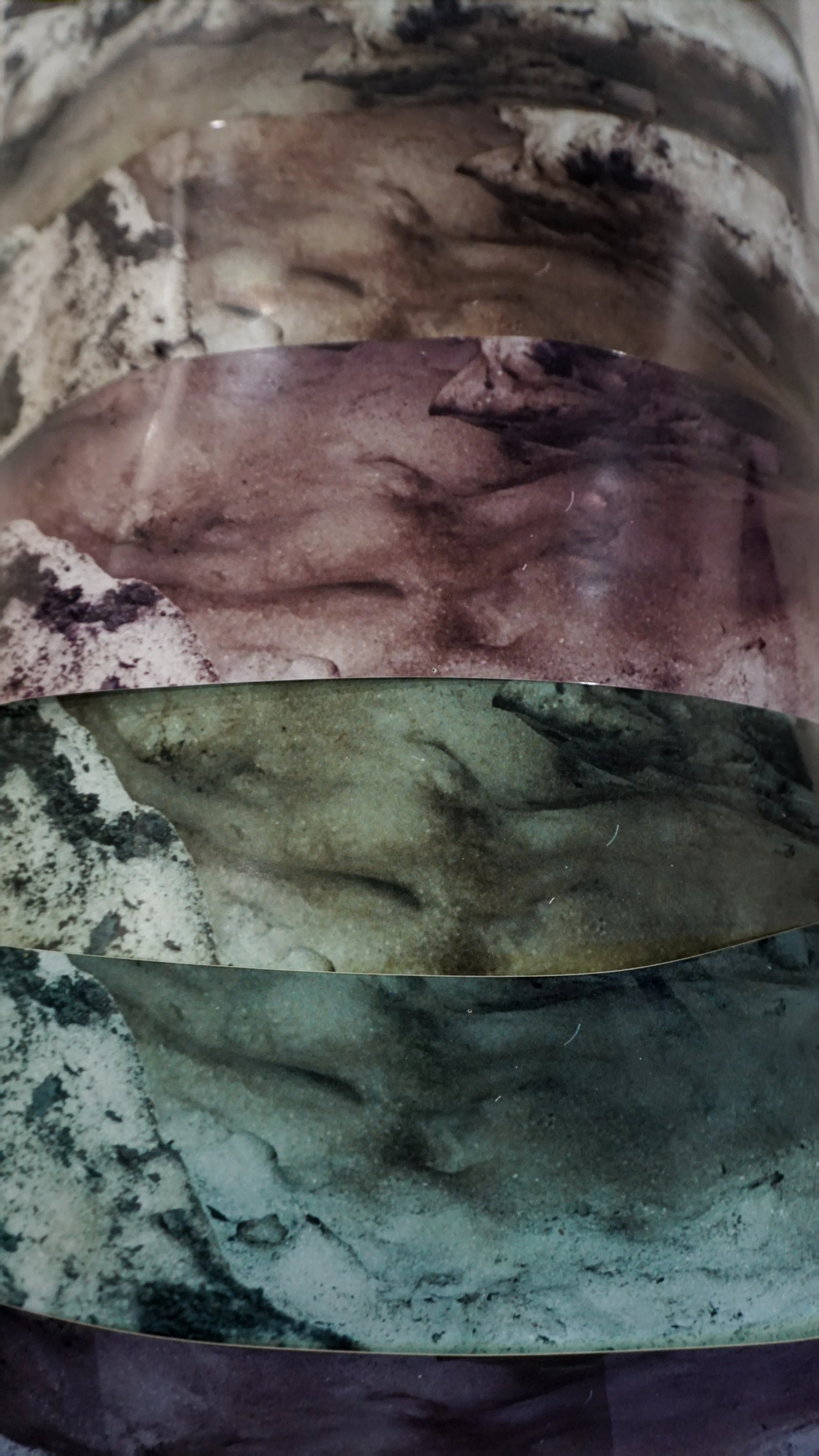
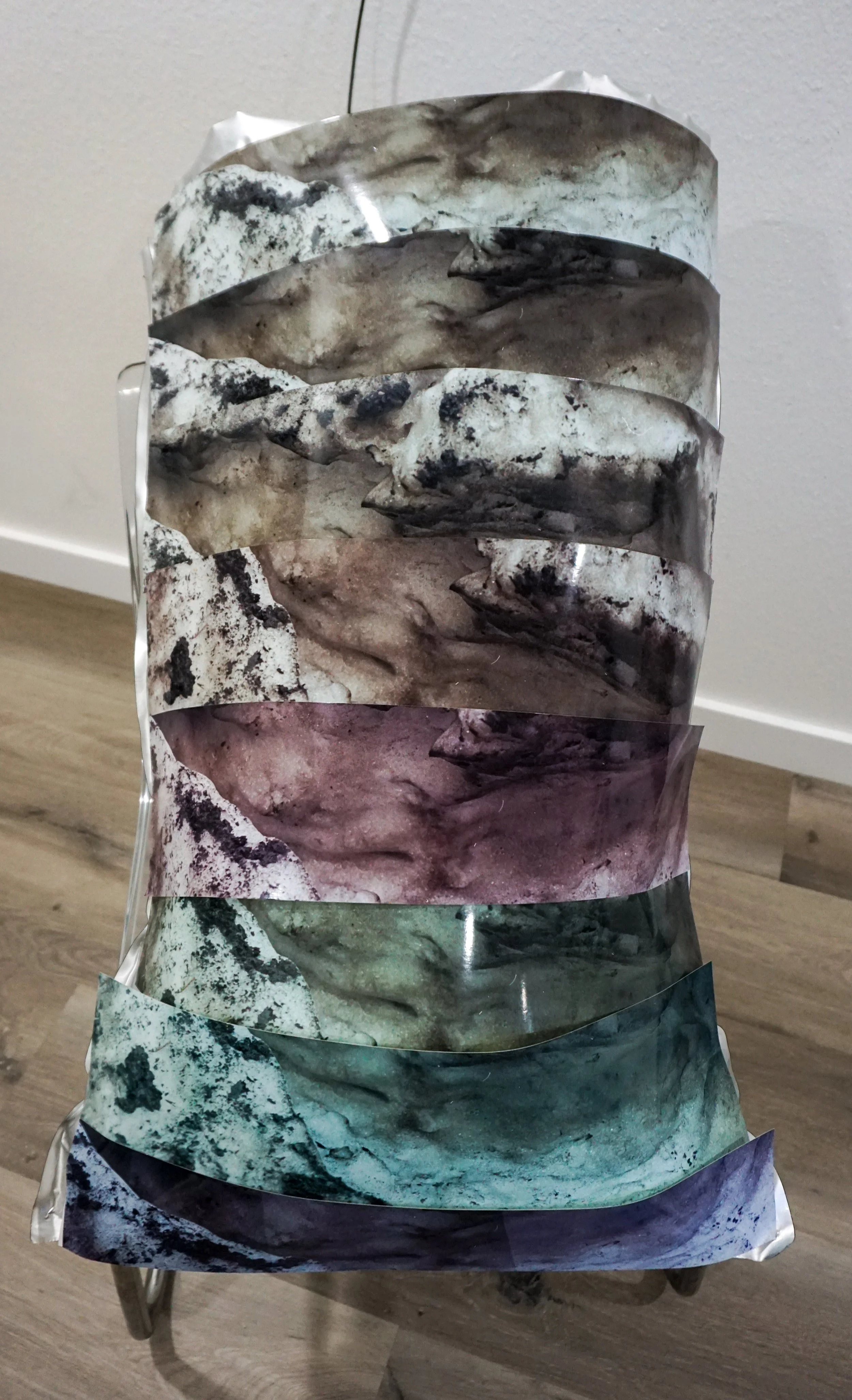
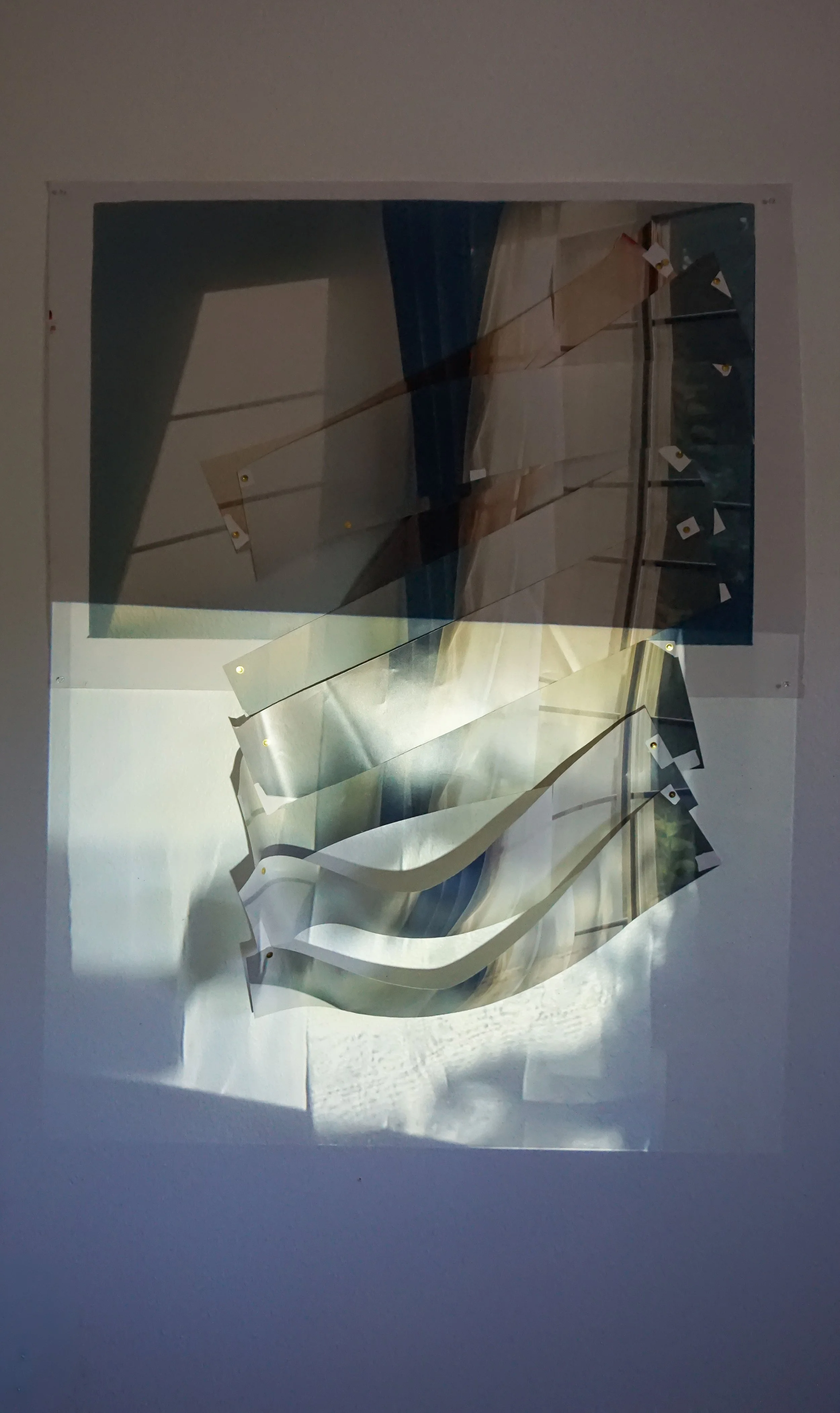
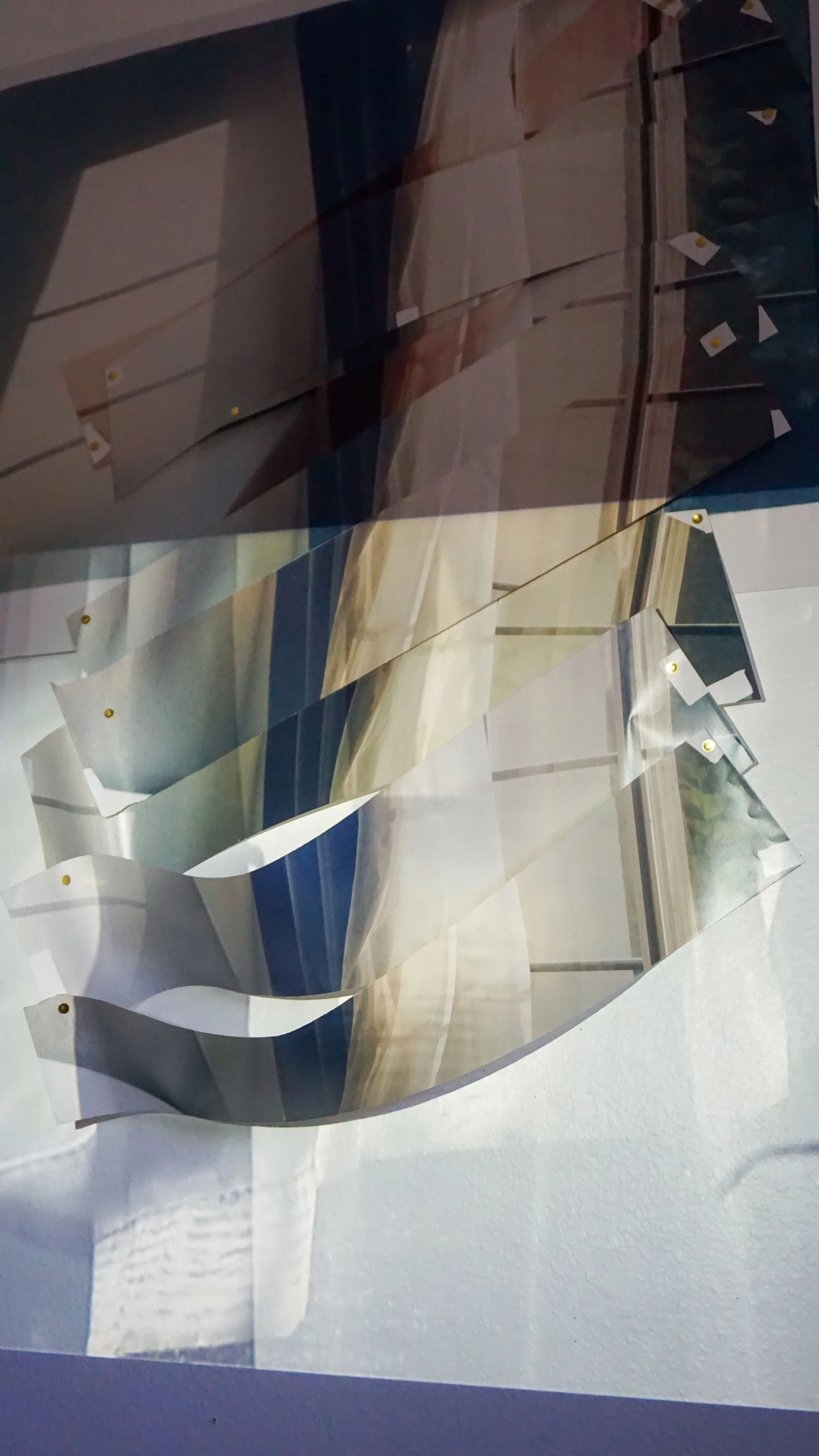
streaking
chromogenic mural print (30 x 40 inches), chromogenic test strips, video projection